


HTV silicone rubber, also known as High Temperature Vulcanized Silicone Rubber, is a common type of silicone rubber that is widely used in industry and daily life. It has the following characteristics:
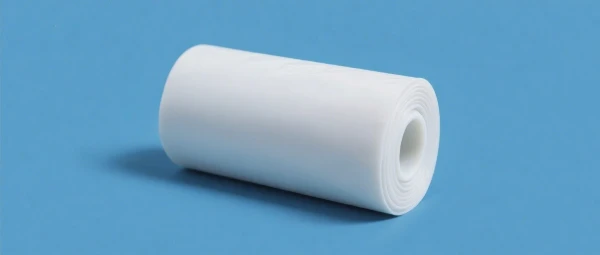
1. Chemical composition and structure
Basic polymer: Mainly composed of polydimethylsiloxane (PDMS), its main chain is composed of alternating silicon and oxygen atoms, and the side groups are organic groups such as methyl. This unique molecular structure endows silicone rubber with many excellent properties.
Crosslinking system: By adding specific crosslinking agents such as peroxides, crosslinking reactions are initiated at high temperatures, connecting linear polymer molecular chains to form a three-dimensional network structure, thereby achieving vulcanization.
2. Performance characteristics
High temperature resistance: It can be used for a long time at high temperatures, generally withstanding temperatures of 200-300 ℃. Some special formulations of HTV silicone rubber can even maintain stable performance at higher temperatures, making it suitable for sealing, insulation and other applications in high-temperature environments.
Low temperature resistance: It has good low-temperature elasticity and can maintain a certain degree of flexibility and elasticity in low-temperature environments. It can be used normally at temperatures of -50 ℃ or even lower, and is not prone to brittleness, hardening, and other phenomena.
Excellent weather resistance: It has strong resistance to environmental factors such as ultraviolet radiation and ozone. Under long-term outdoor exposure, its physical and chemical properties change very little, and it is not easy to age or crack, with a long service life.
Electrical insulation performance: It has excellent electrical insulation performance, with little variation in dielectric constant and dielectric loss tangent over a wide frequency and temperature range, and can be used to manufacture various electrical insulation components.
Physiological inertness: Non irritating and non-toxic to human tissues, with good compatibility with human tissues, can be used to manufacture medical supplies such as medical catheters, artificial organs, etc.
3. Processing technology
Mixing: Mix raw rubber, fillers (such as white carbon black), crosslinking agents, additives, etc. on a rubber mixing machine to achieve uniform mixing.
Molding: The mixed rubber material can be molded into the desired shape through molding, extrusion, injection, and other molding methods. For example, various sealing gaskets, buttons, etc. can be manufactured by compression molding; Extrusion molding can produce rubber hoses, sealing strips, etc; Injection molding is suitable for manufacturing precision parts with complex shapes.
Sulfurization: The molded product is vulcanized at high temperatures (usually 150-200 ℃) to crosslink and cure the rubber, obtaining the final physical and mechanical properties.
4. Application Fields
Aerospace field: used for manufacturing aircraft engine seals, gaskets, insulation materials, etc., which can meet strict requirements such as high temperature and high reliability.
Automotive industry: As a sealing component, radiator hose, spark plug protective sleeve, etc. around the automotive engine, it can adapt to harsh environments such as high temperature and oil pollution in the engine compartment of automobiles.
Electronic and electrical industry: producing insulation layers for wires and cables, potting materials for electronic components, keyboard keys, etc., utilizing their electrical insulation and good physical properties.
Medical industry: Manufacturing medical devices such as catheters, drainage tubes, and artificial joints, ensuring their biocompatibility and safety for the human body.
