


Silicone oil is a versatile and widely used material in various industries. As a silicone oil supplier, I have witnessed firsthand the numerous advantages that silicone oil brings to different applications. This blog will delve into the significant benefits of using silicone oil, which will provide valuable insights for individuals and businesses considering incorporating silicone oil into their operations.
Chemical and Physical Stability
One of the most prominent advantages of silicone oil is its remarkable chemical and physical stability. Silicone oil has a highly stable molecular structure, which allows it to maintain its properties over a wide range of temperatures and environmental conditions. This stability makes it an ideal choice for applications where temperature variations and chemical exposure are common.
Silicone oil can withstand extreme temperatures, ranging from -40°C to 200°C, without significant changes in viscosity or other properties. This characteristic enables it to function effectively in both high-temperature industrial processes and low-temperature applications such as refrigeration systems. For example, in high-temperature manufacturing processes like injection molding, silicone oil can be used as a lubricant to prevent sticking and ensure smooth operation of the molds, even at elevated temperatures.
In addition to its thermal stability, silicone oil is also resistant to many chemicals, including acids, bases, and solvents. This chemical resistance makes it suitable for use in harsh chemical environments without undergoing degradation or reacting with other substances. In the chemical industry, silicone oil can be used as a heat transfer fluid in chemical reactors, providing reliable heat transfer while remaining chemically inert and preventing corrosion of the equipment.
Excellent Lubrication Properties
Another significant advantage of silicone oil is its excellent lubrication properties. Silicone oil has a low coefficient of friction, which means it can reduce friction and wear between moving parts. This makes it an ideal lubricant for a variety of mechanical systems, including engines, gears, and bearings.
When used as a lubricant, silicone oil forms a thin, protective film on the surface of the moving parts, reducing direct contact and minimizing friction. This not only improves the efficiency of the mechanical system but also extends the service life of the components by reducing wear and tear. For example, in automotive engines, silicone oil - based lubricants can help reduce fuel consumption and engine noise while enhancing the overall performance and durability of the engine.
Moreover, silicone oil lubricants are resistant to oxidation and moisture, which further enhances their performance in harsh operating conditions. They can maintain their lubricating properties even in the presence of water or other contaminants, making them suitable for use in wet or humid environments.
High Dielectric Strength
Silicone oil has high dielectric strength, which makes it an excellent insulating material for electrical and electronic applications. Dielectric strength refers to the ability of a material to withstand electrical stress without breaking down. In electrical systems, high - quality insulation is crucial to prevent electrical leakage, short circuits, and other electrical failures.
Silicone oil can be used as an insulating fluid in transformers, capacitors, and high - voltage electrical equipment. It provides reliable electrical insulation, while also offering good heat dissipation properties. This helps to maintain the temperature of the electrical components within a safe range, improving the efficiency and reliability of the electrical system.
In addition, silicone oil is non - flammable, which is an important safety feature in electrical applications. Unlike some traditional insulating materials, it does not pose a fire hazard, reducing the risk of electrical fires and ensuring the safety of the electrical installation.
Good Compatibility
Silicone oil exhibits good compatibility with a wide range of materials, including plastics, rubber, metals, and organic compounds. This compatibility allows it to be easily incorporated into different products and manufacturing processes without causing adverse reactions or compatibility issues.
In the plastics industry, silicone oil can be used as a processing aid to improve the flowability and mold release properties of plastic resins. It can also enhance the surface properties of plastic products, such as improving their gloss and reducing surface friction. By adding a small amount of silicone oil to the plastic formulation, manufacturers can achieve better processing efficiency and higher - quality plastic products.
When it comes to rubber products, silicone oil can be used as a softener and release agent. It helps to improve the flexibility and durability of rubber materials, while also facilitating the removal of rubber products from molds during the manufacturing process.
Biocompatibility
Silicone oil is biocompatible, which means it is well - tolerated by living tissues and does not cause significant adverse reactions when in contact with the human body. This property makes it an important material in the medical and healthcare industries.
In ophthalmology, silicone oil is often used as a vitreous substitute in the treatment of retinal detachment. It can help to maintain the shape of the eye and support the retina during the healing process. The biocompatibility of silicone oil reduces the risk of inflammation and other complications, improving the success rate of the treatment.
Silicone oil is also used in cosmetics and personal care products due to its non - irritating and emollient properties. It can be found in various skincare products, such as moisturizers, creams, and lotions, to provide a smooth and silky texture, while also protecting the skin from moisture loss.
Wide Range of Applications and Availability
Silicone oil has a wide range of applications across different industries, including automotive, electronics, healthcare, cosmetics, and manufacturing. Whether it is used as a lubricant, heat transfer fluid, insulating material, or processing aid, silicone oil offers unique advantages that make it an indispensable material in many products and processes.
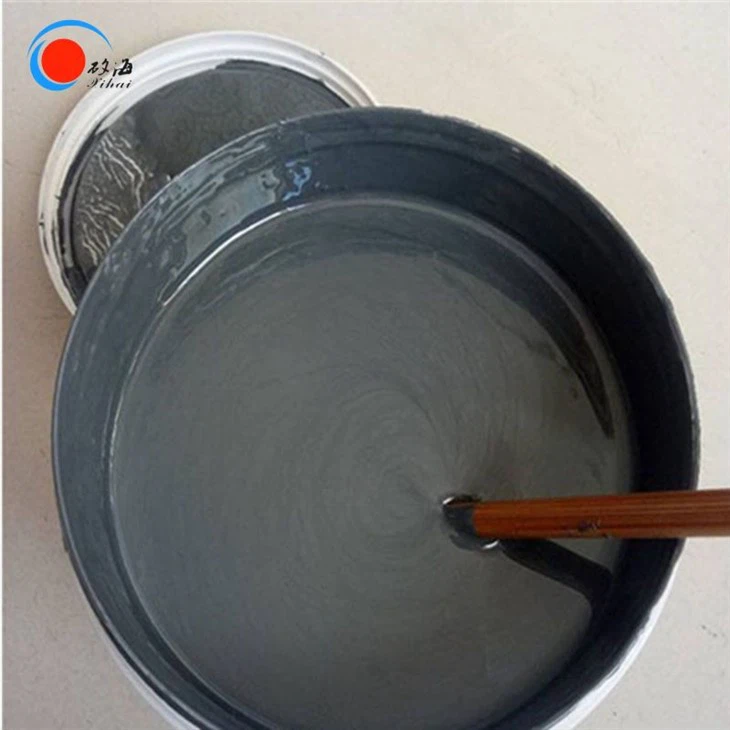

As a silicone oil supplier, we offer a diverse range of silicone oil products to meet the specific needs of our customers. Our Silicone Oil products are available in different viscosities and grades, allowing customers to choose the most suitable product for their applications. Moreover, we also provide Silicone Pigment which can be used in combination with silicone oil for specific coloring and application requirements.
Conclusion
The advantages of using silicone oil are numerous and diverse. Its chemical and physical stability, excellent lubrication properties, high dielectric strength, good compatibility, biocompatibility, and wide range of applications make it a valuable material in various industries. Whether you are looking to improve the performance of your mechanical systems, enhance the reliability of your electrical equipment, or develop high - quality medical and cosmetic products, silicone oil can offer effective solutions.
If you are interested in exploring the benefits of silicone oil for your specific applications, we invite you to contact us for further information and to discuss your procurement needs. Our team of experts is ready to provide you with the best advice and high - quality silicone oil products to meet your requirements.
References
- "Silicones in Industrial Applications" by Smith, J.
- "Handbook of Silicone Technology" edited by Johnson, A.
- "Medical Applications of Silicones" by Brown, C.