


Hey there! I'm a supplier of Silicone for Tire Molding, and today I want to dig into a question that's been on the minds of many: Is silicone for tire molding resistant to salt water?
First off, let's talk a bit about what silicone for tire molding is. It's a specialized type of silicone rubber that's designed to create high - quality molds for tire production. These molds need to be durable, flexible, and able to withstand high pressure and temperature during the tire - making process. You can check out more about it Silicone for Tire Molding.
Now, when it comes to salt water resistance, it's a crucial factor, especially for tires used in coastal areas or in environments where they might come into contact with salt - laden water. Salt water is a harsh substance. It contains various salts, mainly sodium chloride, and can cause corrosion and degradation in many materials over time.
Silicone rubber, in general, has some great properties that give it a fighting chance against salt water. One of the key features of silicone is its chemical stability. It has a strong silicon - oxygen backbone, which makes it resistant to a wide range of chemicals, including some mild acids and bases. This chemical stability is also what gives it good weather resistance, so it can handle exposure to sunlight, rain, and temperature changes.
But how does it hold up specifically against salt water? Well, silicone for tire molding is formulated to be tough. The cross - linking structure in the silicone rubber gives it a certain level of integrity. When exposed to salt water, the salt ions in the water can't easily break through this cross - linked structure and cause damage to the silicone molecules.
However, it's not completely immune. Over a long period of continuous exposure to salt water, some minor effects can start to show. For example, the salt can gradually build up on the surface of the silicone mold. This salt build - up might not directly damage the silicone, but it can affect the surface finish of the tires being molded. If the salt crystals aren't removed regularly, they can create tiny imperfections on the mold surface, which will then transfer to the tires, leading to a less - than - perfect appearance.
Another aspect to consider is the potential for osmotic effects. Salt water has a different concentration of solutes compared to the silicone rubber. In some cases, this difference in concentration can cause water to move in or out of the silicone through a process called osmosis. If too much water is absorbed by the silicone, it can cause swelling, which might change the dimensions of the mold slightly. This is a rare occurrence, though, and usually only happens under extreme conditions of long - term immersion in highly concentrated salt water.
Now, let's compare silicone for tire molding with other types of silicone products we offer. We also have Silicone for Crafts Sculpture Toys and Silicone for Casting Epoxy Resin Jewelries. These silicones have different formulations and uses. The silicone for crafts and jewelry casting is more focused on creating detailed and precise molds for small - scale projects. While they also have good chemical resistance, their salt - water resistance might be a bit different because they're not designed to withstand the same high - pressure and high - temperature conditions as tire - molding silicone.
In practical applications, if you're using tires in a salt - water environment, it's important to take some precautions. Regular cleaning of the tires and the molds is essential. Using a mild detergent and water to wash away the salt can prevent the build - up and keep the molds in good condition. Also, proper storage of the molds when not in use can help extend their lifespan.
If you're thinking about using silicone for tire molding in an area with a high risk of salt - water exposure, it's a good idea to test the silicone under similar conditions first. You can do a small - scale test by exposing a sample of the silicone mold to salt - water spray or immersion for a set period and then checking for any signs of damage or degradation.
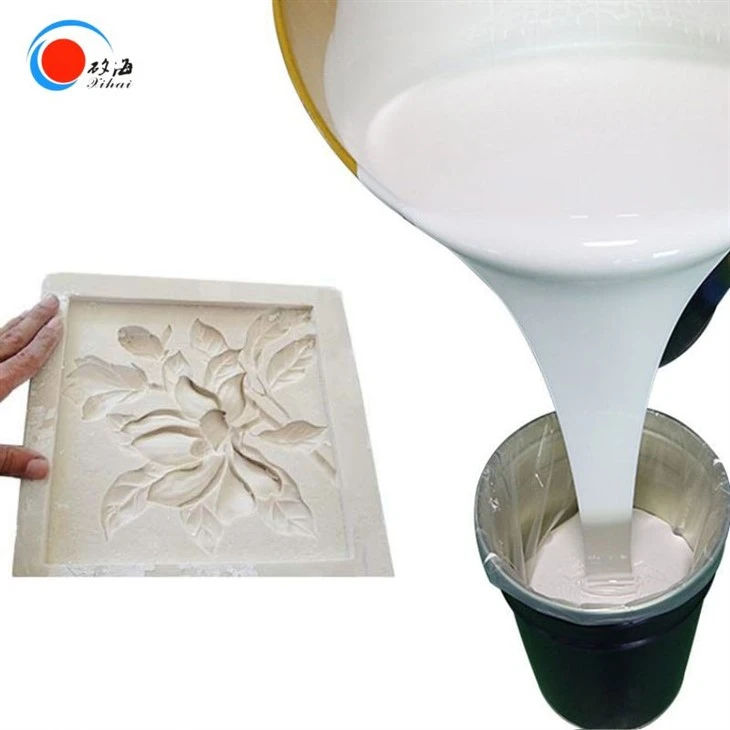

So, to sum it up, silicone for tire molding is relatively resistant to salt water. Its chemical stability and cross - linked structure give it the ability to withstand the harshness of salt water to a large extent. But like any material, it's not invincible, and proper care and maintenance are needed to ensure its long - term performance.
If you're in the market for high - quality silicone for tire molding or have any questions about its salt - water resistance or other properties, I'd love to chat with you. Whether you're a tire manufacturer looking to improve your molding process or just someone curious about the science behind tire production, don't hesitate to reach out. We can have a detailed discussion about your specific needs and how our silicone products can meet them.
References
- "Silicone Rubber: Properties and Applications" - A comprehensive guide on the properties of silicone rubber and its various uses.
- "The Effects of Salt Water on Polymers" - A research paper that delves into how salt water can impact different types of polymers, including silicone.