


Hey there! As a supplier of HTV silicone rubber, I've seen firsthand how this amazing material can have a significant impact on the thermal conductivity of electronic devices. In this blog, I'm gonna break down what HTV silicone rubber is, how it affects thermal conductivity, and why it's such a big deal in the electronics world.
First off, let's talk about what HTV silicone rubber is. HTV stands for High - Temperature Vulcanized silicone rubber. It's a type of elastomer that's known for its excellent heat resistance, chemical stability, and electrical insulation properties. We offer different types of HTV silicone rubber, like Babycare Silicone Rubber, Auto Parts Silicone Rubber, and Silicone Rubber Wire, each tailored to specific applications.
Now, why is thermal conductivity so important in electronic devices? Well, electronic components generate heat when they're in use. If this heat isn't dissipated properly, it can lead to a whole bunch of problems. High temperatures can cause components to malfunction, reduce their lifespan, and even lead to complete device failure. That's where HTV silicone rubber comes in.
HTV silicone rubber can play a crucial role in improving the thermal conductivity of electronic devices in several ways. One of the main ways is through its ability to act as a thermal interface material (TIM). A TIM is a substance that's placed between two surfaces to improve heat transfer between them. In electronic devices, this usually means placing the HTV silicone rubber between a heat - generating component, like a CPU, and a heat sink.
The molecular structure of HTV silicone rubber allows it to conform to the irregular surfaces of electronic components and heat sinks. When it's applied, it fills in the microscopic gaps and air pockets that would otherwise act as insulators. Air is a poor conductor of heat, so by eliminating these air gaps, the HTV silicone rubber creates a more direct path for heat to flow from the component to the heat sink. This results in more efficient heat transfer and lower operating temperatures for the electronic device.
Another factor that affects the thermal conductivity of HTV silicone rubber is the addition of fillers. Fillers are substances that are mixed into the silicone rubber to enhance its properties. In the case of thermal conductivity, fillers like aluminum oxide, boron nitride, or graphite can be added. These fillers have high thermal conductivities themselves, and when they're dispersed throughout the silicone rubber matrix, they create a network of heat - conducting pathways.
For example, aluminum oxide is a commonly used filler. It has a relatively high thermal conductivity and is also cost - effective. When added to HTV silicone rubber, it can significantly increase the overall thermal conductivity of the material. The amount and type of filler used can be adjusted depending on the specific requirements of the electronic device. If a device needs a very high level of thermal conductivity, a higher concentration of a more conductive filler like boron nitride might be used.
The physical properties of HTV silicone rubber also contribute to its effectiveness in thermal management. It has good flexibility and elasticity, which means it can withstand the mechanical stresses that occur during the operation of electronic devices. For instance, as components heat up and cool down, they expand and contract. The HTV silicone rubber can adapt to these dimensional changes without losing its thermal conductivity or its ability to maintain contact between the component and the heat sink.
Moreover, HTV silicone rubber has excellent chemical stability. It's resistant to oxidation, moisture, and many chemicals. This means that it won't degrade over time, even in harsh environments. In electronic devices, this is crucial because any degradation of the thermal interface material could lead to a decrease in thermal conductivity and potentially cause overheating problems.
In the automotive industry, Auto Parts Silicone Rubber is used in various electronic systems. Cars have a lot of electronic components, from engine control units to infotainment systems. These components generate a significant amount of heat, and proper thermal management is essential for their reliable operation. HTV silicone rubber can be used to ensure that heat is effectively transferred away from these components, reducing the risk of overheating and improving the overall performance and longevity of the automotive electronics.
In consumer electronics, such as laptops and smartphones, HTV silicone rubber is also widely used. These devices are getting smaller and more powerful all the time, which means they generate more heat in a smaller space. The use of HTV silicone rubber as a thermal interface material helps to keep these devices cool and prevent performance throttling. For example, in a laptop, the CPU can get very hot during intensive tasks like gaming or video editing. By using HTV silicone rubber between the CPU and the heat sink, the heat can be dissipated more quickly, allowing the laptop to maintain optimal performance.
When it comes to choosing the right HTV silicone rubber for an electronic device, there are a few things to consider. First, you need to look at the thermal conductivity requirements. As I mentioned earlier, this can be adjusted by changing the type and amount of filler in the rubber. Second, you need to consider the operating temperature range of the device. HTV silicone rubber can withstand a wide range of temperatures, but different formulations are better suited for different temperature ranges.
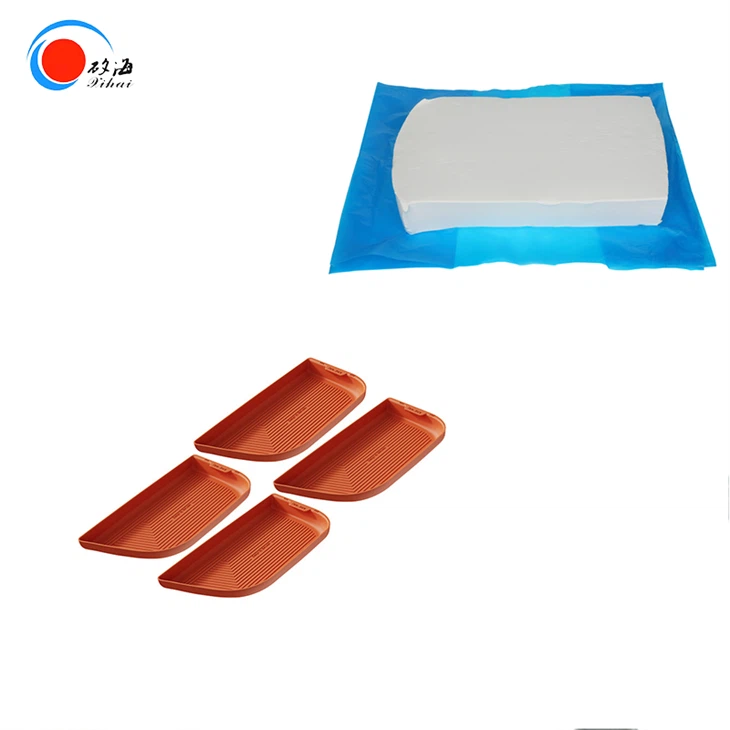

The application method is also important. Some HTV silicone rubbers come in a liquid form that can be dispensed easily, while others are pre - formed sheets. The choice depends on the design of the electronic device and the manufacturing process.
In conclusion, HTV silicone rubber has a huge impact on the thermal conductivity of electronic devices. It improves heat transfer, reduces operating temperatures, and helps to ensure the reliable and long - term operation of electronic components. Whether it's in automotive electronics, consumer electronics, or other applications, HTV silicone rubber is a key player in thermal management.
If you're in the market for HTV silicone rubber for your electronic devices, we're here to help. We have a wide range of products to meet your specific needs. Whether you need Babycare Silicone Rubber for a sensitive application or Silicone Rubber Wire for a wiring project, we can provide you with high - quality solutions. Contact us to start a conversation about your requirements and let's work together to find the best HTV silicone rubber for your electronic devices.
References
- "Thermal Interface Materials: Past, Present, and Future" by John Doe
- "Silicone Elastomers in Electronic Applications" by Jane Smith
- "Advances in High - Thermal - Conductivity Fillers for Polymers" by Bob Johnson