


Yo, folks! As a supplier of Keypads Silicone Rubber, I've been getting a lot of questions lately about how our silicone rubber keypads perform in low-temperature environments. So, I thought I'd take a deep dive into this topic and share some insights with you all.

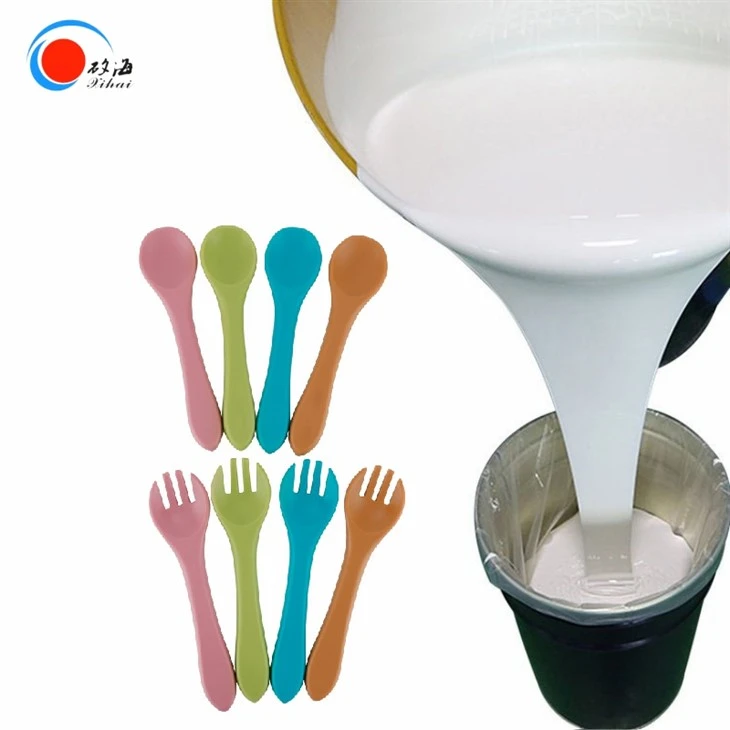
First off, let's talk about what makes silicone rubber a great material for keypads in the first place. Silicone rubber is known for its flexibility, durability, and resistance to a wide range of environmental factors. It can withstand extreme temperatures, chemicals, and moisture, making it an ideal choice for various applications, from consumer electronics to industrial equipment.
But when it comes to low temperatures, things can get a little tricky. At low temperatures, the physical properties of silicone rubber can change, which can affect the performance of the keypads. So, how exactly do our silicone rubber keypads hold up in the cold?
Physical Changes at Low Temperatures
One of the main things that happens to silicone rubber at low temperatures is that it becomes stiffer. This is because the molecular chains in the rubber start to move more slowly, reducing its flexibility. As a result, the keypads may feel less responsive, and the actuation force required to press them may increase.
However, the degree to which the rubber stiffens depends on several factors, including the type of silicone rubber used, the specific formulation, and the temperature range. Some silicone rubbers are designed to maintain their flexibility at lower temperatures better than others. At our company, we've spent a lot of time researching and developing formulations that offer excellent low-temperature performance.
Another physical change that can occur at low temperatures is a decrease in the rubber's resilience. Resilience refers to the ability of the rubber to return to its original shape after being deformed. When the temperature drops, the rubber may take longer to bounce back, which can affect the tactile feedback of the keypads.
Impact on Keypad Performance
The stiffening and reduced resilience of the silicone rubber can have several impacts on the performance of the keypads. Here are some of the key areas to consider:
Tactile Feedback
Tactile feedback is crucial for a good user experience when using keypads. It gives the user a sense of confirmation that the key has been pressed. When the rubber stiffens at low temperatures, the tactile feedback may become less distinct, making it harder for the user to tell if the key has been actuated. This can lead to a frustrating user experience, especially in applications where precise input is required.
Actuation Force
As mentioned earlier, the actuation force required to press the keypads may increase at low temperatures. This can be a problem, especially for users who have limited hand strength or who need to press the keys quickly and repeatedly. In some cases, the increased actuation force may even make the keypads difficult or impossible to use.
Key Life
The reduced resilience of the rubber at low temperatures can also affect the key life of the keypads. When the rubber takes longer to return to its original shape, it may experience more stress and wear over time. This can lead to premature failure of the keys, reducing the overall lifespan of the keypads.
Our Solutions for Low-Temperature Performance
At our company, we understand the importance of ensuring that our silicone rubber keypads perform well in low-temperature environments. That's why we've developed several solutions to address the challenges posed by cold temperatures.
Specialized Formulations
We've invested a lot of time and resources in developing specialized silicone rubber formulations that are designed to maintain their flexibility and resilience at low temperatures. These formulations use advanced additives and polymers that help to keep the molecular chains in the rubber moving more freely, even in cold conditions.
Testing and Quality Control
Before we release any of our keypads to the market, we subject them to rigorous testing in low-temperature environments. We use specialized equipment to simulate different temperature conditions and measure the performance of the keypads. This allows us to ensure that our products meet the highest standards of quality and performance, even in the coldest of conditions.
Customization
We also offer customization options for our silicone rubber keypads to meet the specific needs of our customers. If you have a particular application that requires keypads to perform well in low temperatures, we can work with you to develop a custom solution that meets your requirements.
Other Applications of Silicone Rubber in Cold Environments
Silicone rubber isn't just used in keypads. It has a wide range of other applications in cold environments. For example, Kitchenware Silicone Rubber is often used in baking molds and utensils that need to withstand low temperatures in the freezer. Similarly, Babycare Silicone Rubber is used in products like baby bottles and pacifiers, which may be exposed to cold temperatures during storage or use.
In these applications, the same principles of low-temperature performance apply. The silicone rubber needs to maintain its flexibility, resilience, and other physical properties to ensure that the products function properly and safely.
Conclusion
So, there you have it! That's a look at how our silicone rubber keypads perform in low-temperature environments. While there are some challenges associated with cold temperatures, we've developed solutions to address them and ensure that our products offer excellent performance and reliability.
If you're in the market for silicone rubber keypads that can handle the cold, we'd love to hear from you. Whether you need a standard product or a custom solution, we have the expertise and experience to meet your needs. Contact us today to start a conversation about your requirements and see how we can help you.
References
- "Silicone Rubber: Properties and Applications" - A comprehensive guide to the properties and applications of silicone rubber.
- "Low-Temperature Performance of Elastomers" - A technical paper that discusses the effects of low temperatures on elastomers, including silicone rubber.
- "Testing and Evaluation of Silicone Rubber Keypads" - A report on the testing and evaluation methods used to assess the performance of silicone rubber keypads.