


Hey there! As a supplier of Auto Parts Silicone Rubber, I often get asked a bunch of questions from customers. One of the most common ones is whether silicone rubber auto parts can withstand chemical corrosion. Well, let's dig into this topic and find out!
First off, let's understand what silicone rubber is. Silicone rubber is a type of elastomer made up of silicon, oxygen, carbon, and hydrogen. It has some pretty amazing properties that make it a popular choice for a wide range of applications, including auto parts. It's flexible, has good heat resistance, and can maintain its shape under different conditions.
Now, when it comes to chemical corrosion, it's all about how the material reacts when it comes into contact with various chemicals. In the automotive world, auto parts are exposed to all sorts of chemicals. There's gasoline, oil, coolant, brake fluid, and even road salts in some regions. These chemicals can potentially break down or damage materials over time.
So, can silicone rubber handle all these chemicals? The answer is, it depends. Silicone rubber generally has good resistance to many chemicals commonly found in the automotive environment. For example, it has excellent resistance to oxygen, ozone, and UV radiation. This means that it won't easily degrade when exposed to the air and sunlight.
When it comes to oils and greases, silicone rubber usually performs well. It can resist the swelling and softening effects that some other materials might experience. This is crucial for auto parts like gaskets and seals, which need to maintain their integrity to prevent leaks.

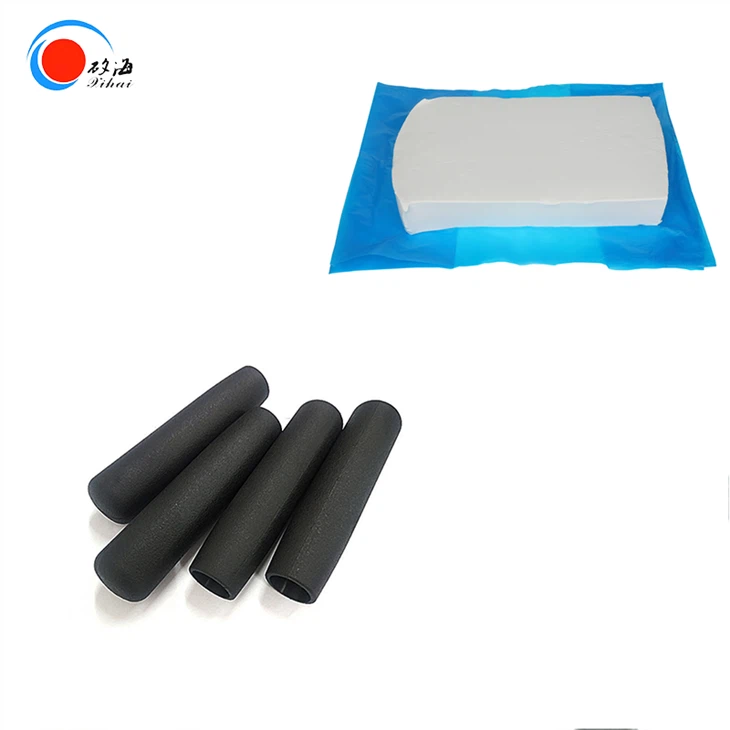
However, not all chemicals are friendly to silicone rubber. Some solvents, such as certain types of hydrocarbons and strong acids or bases, can cause problems. For instance, if silicone rubber comes into contact with a highly concentrated acid, it might start to break down. The acid can react with the silicone molecules, causing them to lose their structure and properties.
Let's take a closer look at some specific auto parts and how silicone rubber fares in terms of chemical corrosion.
Gaskets and Seals
Gaskets and seals are used to prevent the leakage of fluids and gases in an engine or other automotive systems. They're constantly in contact with oils, coolants, and other chemicals. Silicone rubber gaskets are a great choice because they can withstand the heat and pressure inside the engine. They also have good chemical resistance to many of the fluids they come into contact with. For example, they can resist the effects of engine oil, which contains additives and contaminants. This helps to ensure a tight seal and prevent leaks, which is essential for the proper functioning of the engine.
Hoses
Silicone rubber hoses are commonly used in automotive cooling systems and air intake systems. In the cooling system, they need to withstand the coolant, which is usually a mixture of water and antifreeze. Silicone rubber hoses have good resistance to the chemicals in the coolant, preventing them from deteriorating over time. In the air intake system, they're exposed to air and any contaminants in it. Silicone rubber can resist the effects of oxygen and ozone, which helps to keep the hoses in good condition.
Electrical Components
Silicone rubber is also used in electrical components in cars, such as connectors and insulation. These parts need to be protected from moisture and chemicals to ensure proper electrical conductivity. Silicone rubber has good electrical insulation properties and can resist the effects of many chemicals, making it a suitable material for these applications.
Now, I want to mention that if you're interested in other silicone rubber products, we also offer Keypads Silicone Rubber and Kitchenware Silicone Rubber. These products also have their own unique properties and applications.
But back to our main topic, if you're considering using silicone rubber auto parts, it's important to do some research and understand the specific chemicals they'll be exposed to. You can also consult with us, as we have a lot of experience in this field. We can help you choose the right type of silicone rubber for your auto parts based on the chemical environment they'll be in.
In conclusion, silicone rubber auto parts can generally withstand a lot of chemical corrosion, but it's not invincible. It's important to be aware of the potential risks and take appropriate measures to ensure the longevity of the parts. If you're in the market for high - quality Auto Parts Silicone Rubber, don't hesitate to get in touch with us. We're here to provide you with the best products and solutions for your automotive needs. Whether you're a small auto repair shop or a large automotive manufacturer, we can work with you to meet your requirements.
If you have any questions or want to start a procurement discussion, feel free to reach out. We're looking forward to hearing from you and working together to make your automotive projects a success.
References
- "Silicone Rubber: Properties and Applications" by Rubber World Magazine
- "Automotive Materials Handbook" by SAE International