


Hey there! As a supplier of Silicone Pigment, I often get asked this question: "Can I use silicone pigment in silicone rubber molding?" Well, let's dive right into it and break it down.
First off, what exactly are silicone pigments? Silicone pigments are specially formulated colorants designed to be used in silicone - based materials. They come in a wide range of colors, from bright and vivid to more muted and earthy tones. These pigments are made to disperse evenly in silicone, giving a consistent and long - lasting color to the final product.
Now, when it comes to silicone rubber molding, it's a process where silicone rubber is shaped into a specific form using a mold. This process is used in a variety of industries, like automotive, medical, and consumer goods. So, can you use silicone pigment in this process? The short answer is yes, you absolutely can, and there are some good reasons to do so.
One of the main advantages of using silicone pigment in silicone rubber molding is color customization. Every project has its own unique color requirements. Maybe you're making a set of colorful silicone phone cases or some medical devices that need to meet specific color - coding standards. With silicone pigments, you have the flexibility to create the exact color you need. You're not stuck with the limited pre - colored silicone options available in the market.
Another benefit is the durability of the color. Silicone pigments are formulated to withstand the conditions of the molding process. They don't fade easily, even when exposed to heat, light, or chemicals. This means that the color of your molded silicone product will stay vibrant and true for a long time. Whether your product is used indoors or outdoors, you can be confident that the color won't start to look dull or washed out after a short period.
In terms of compatibility, silicone pigments are designed to work well with silicone rubber. They mix easily with the silicone base, ensuring a smooth and uniform distribution of color throughout the material. This is crucial for achieving a high - quality finish on your molded products. When the pigment is evenly dispersed, there are no streaks or patches of uneven color, which can be a real eyesore in the final product.
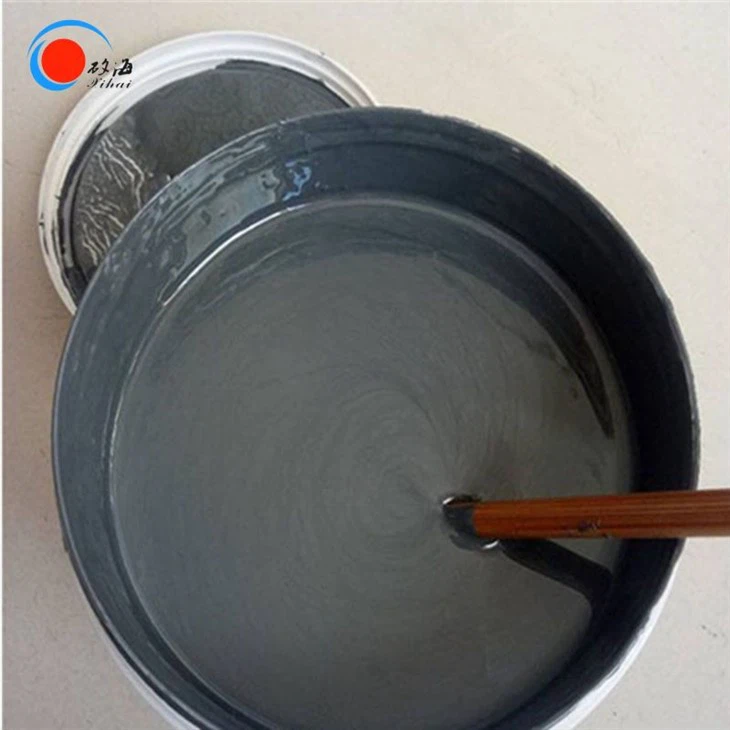

However, there are a few things you need to keep in mind when using silicone pigment in silicone rubber molding. First, the ratio of pigment to silicone is important. Using too much pigment can affect the physical properties of the silicone rubber, such as its flexibility and strength. On the other hand, using too little pigment may result in a color that's not as intense as you'd like. It's usually a good idea to start with a small amount of pigment and gradually add more until you achieve the desired color.
The mixing process also matters. You need to make sure that the pigment is thoroughly mixed with the silicone. This can be done using a mechanical mixer or by hand, depending on the quantity of material you're working with. If the pigment isn't mixed well, you'll end up with a product that has inconsistent color.
Also, different types of silicone rubber may require different types of pigments. Some silicone rubbers are more heat - resistant, while others are more flexible. You need to choose a pigment that's compatible with the specific type of silicone rubber you're using. This will ensure that the pigment doesn't react negatively with the silicone and that the final product has the desired properties.
Now, let's talk about the role of Silicone Oil in this process. Silicone oil can sometimes be used in combination with silicone pigments. It can help with the dispersion of the pigment in the silicone rubber, making it easier to achieve a uniform color. Silicone oil can also improve the flow properties of the silicone during the molding process, which can result in a better - looking and more precise final product.
When it comes to safety, silicone pigments are generally considered safe for use in silicone rubber molding. But it's always a good idea to follow the manufacturer's instructions and safety guidelines. Make sure you're using the pigments in a well - ventilated area, and wear appropriate protective gear, such as gloves and goggles, when handling them.
In conclusion, using silicone pigment in silicone rubber molding is not only possible but also a great way to customize your products and achieve high - quality results. Whether you're a small - scale crafter or a large - scale manufacturer, silicone pigments offer a lot of benefits.
If you're interested in purchasing silicone pigments for your silicone rubber molding projects, I'd love to have a chat with you. We have a wide range of colors and formulations to choose from, and our team can help you find the perfect pigment for your specific needs. Don't hesitate to reach out and start a conversation about your requirements. We're here to make sure you get the best possible results for your projects.
References
- Industry standards for silicone rubber molding
- Manufacturer's guidelines for silicone pigments and silicone oil
- Technical papers on the properties of silicone materials and colorants