


Can I use silicone for tire molding for passenger car tires?
As a supplier of Silicone for Tire Molding, I often get asked the question: "Can I use silicone for tire molding for passenger car tires?" This is a valid query, especially considering the diverse range of materials available in the market for tire manufacturing. In this blog post, I'll delve into the feasibility, advantages, and limitations of using silicone for passenger car tire molding.
Understanding Tire Molding
Before we discuss the use of silicone, it's essential to understand the tire molding process. Tire molding is a crucial step in tire manufacturing where the raw rubber compound is shaped into the final tire design. This process involves placing the rubber compound into a mold, which has the desired tread pattern and tire shape. The mold is then heated and pressurized to cure the rubber and give it the required properties.
Properties of Silicone for Tire Molding
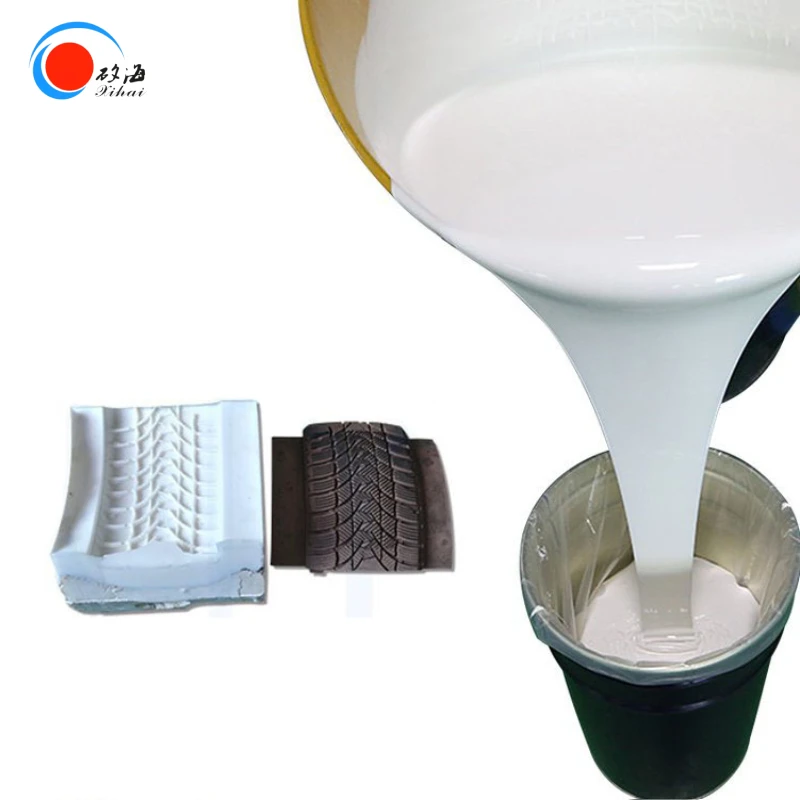
Silicone is a synthetic elastomer known for its unique properties. It has excellent heat resistance, which allows it to withstand the high temperatures involved in the tire molding process. Silicone also has good flexibility and elasticity, which enables it to replicate intricate tread patterns accurately. Additionally, silicone has low surface tension, which helps in the easy release of the cured tire from the mold.
One of the significant advantages of using silicone for tire molding is its ability to produce high - quality molds. Silicone molds can capture even the smallest details of the tread design, resulting in tires with precise and well - defined tread patterns. This is crucial for passenger car tires as the tread pattern affects the tire's performance, including traction, handling, and noise reduction.
Advantages of Using Silicone in Passenger Car Tire Molding
- Precision and Detail: As mentioned earlier, silicone can replicate complex tread patterns with high precision. This is particularly important for passenger car tires, where the tread design plays a vital role in the tire's performance. A well - defined tread pattern can improve traction on wet and dry roads, enhance handling, and reduce road noise.
- Longevity: Silicone molds have a relatively long lifespan compared to some other mold materials. They can withstand multiple molding cycles without significant wear and tear, which reduces the need for frequent mold replacement. This can lead to cost savings in the long run for tire manufacturers.
- Easy Release: The low surface tension of silicone allows for easy release of the cured tire from the mold. This reduces the risk of damage to the tire during the demolding process and also improves the efficiency of the manufacturing process.
- Customization: Silicone can be easily customized to create molds of different shapes and sizes. This flexibility allows tire manufacturers to produce a wide range of passenger car tires with various tread designs and dimensions to meet different market demands.
Limitations of Using Silicone for Passenger Car Tire Molding
- Cost: Silicone can be more expensive than some traditional mold materials. The initial investment in silicone molds may be higher, which can be a deterrent for some tire manufacturers, especially those operating on a tight budget.
- Production Speed: The curing process of silicone molds can be relatively slow compared to other materials. This can limit the production speed of tires, which may not be suitable for large - scale manufacturing operations.
- Chemical Compatibility: Although silicone is generally chemically stable, it may react with certain rubber compounds used in tire manufacturing. This can lead to issues such as adhesion problems between the tire and the mold or changes in the properties of the rubber.
Comparison with Other Mold Materials
There are other materials commonly used for tire molding, such as steel and aluminum. Steel molds are known for their durability and high - pressure resistance. They are suitable for large - scale tire production and can withstand the high forces involved in the molding process. However, steel molds are heavy and expensive to manufacture, and they may not be as effective in replicating fine details as silicone molds.
Aluminum molds are lighter and less expensive than steel molds. They also have good thermal conductivity, which can speed up the curing process. However, aluminum molds may not be as precise as silicone molds in capturing intricate tread patterns.
Applications Beyond Tire Molding
It's worth noting that silicone has a wide range of applications beyond tire molding. For example, Silicone for Casting Epoxy Resin Jewelries is used to create detailed molds for jewelry making. The same properties that make silicone suitable for tire molding, such as its ability to replicate fine details and easy release, also make it ideal for jewelry casting.
Another application is Silicone for Moldmaking Of Veneer Stone. Silicone molds can be used to create realistic and detailed molds for veneer stone production, which is used in construction and interior design.

Considerations for Tire Manufacturers
When deciding whether to use silicone for passenger car tire molding, tire manufacturers need to consider several factors. Firstly, they need to evaluate their production volume and budget. If they are producing a large number of tires and have a limited budget, they may need to balance the benefits of silicone with its higher cost.
Secondly, manufacturers need to ensure that the silicone material is compatible with the rubber compound they are using. This may require some testing and experimentation to find the right combination.
Finally, manufacturers should also consider the long - term benefits of using silicone. Although the initial investment may be higher, the long - term cost savings due to the mold's longevity and the high - quality tires produced may outweigh the upfront costs.
Conclusion
In conclusion, silicone can be a viable option for passenger car tire molding. Its unique properties, such as heat resistance, flexibility, and precision, make it suitable for producing high - quality molds with detailed tread patterns. However, tire manufacturers need to carefully consider the cost, production speed, and chemical compatibility before deciding to use silicone.
If you are a tire manufacturer interested in exploring the use of silicone for tire molding, I encourage you to reach out to us. We have extensive experience in providing Silicone for Tire Molding solutions and can work with you to find the best option for your specific needs. Contact us to start a discussion about your tire molding requirements and how our silicone products can help you achieve your production goals.
References
- "Elastomers and Rubber Technology" by Morton Morton
- "Tire Engineering and Manufacturing" by J. Y. Hwang