


As a leading supplier of silicone sealing rings, I am often asked about the various properties of our products, one of the most common questions being: "Are silicone sealing rings resistant to UV rays?" In this blog post, I will delve into the science behind silicone's resistance to UV rays, exploring its advantages, limitations, and real - world applications.
Understanding Silicone Sealing Rings
Silicone sealing rings are widely used in numerous industries due to their excellent properties. They are known for their high flexibility, good chemical resistance, and ability to withstand a wide range of temperatures. These rings are made from silicone rubber, a synthetic elastomer that consists of silicon, oxygen, carbon, and hydrogen atoms.
The Science of UV Resistance in Silicone
UV rays are a part of the electromagnetic spectrum emitted by the sun. Prolonged exposure to UV rays can cause degradation in many materials, leading to discoloration, cracking, and a loss of mechanical properties. However, silicone has inherent characteristics that make it relatively resistant to UV rays.
The chemical structure of silicone rubber plays a crucial role in its UV resistance. The silicon - oxygen (Si - O) bonds in silicone are very strong, with a high bond energy. This strength allows the silicone to withstand the high - energy photons of UV rays without easily breaking down. Additionally, the presence of methyl groups (-CH₃) attached to the silicon atoms in the silicone backbone provides a degree of shielding and stability.
When exposed to UV rays, silicone may undergo some minor surface changes. Initially, a thin layer of oxidized silicone may form on the surface. This layer can act as a protective barrier, preventing further penetration of UV rays into the bulk of the material. In most cases, this surface oxidation does not significantly affect the performance of the sealing ring.
Advantages of UV - Resistant Silicone Sealing Rings
The UV resistance of silicone sealing rings offers several advantages in various applications:
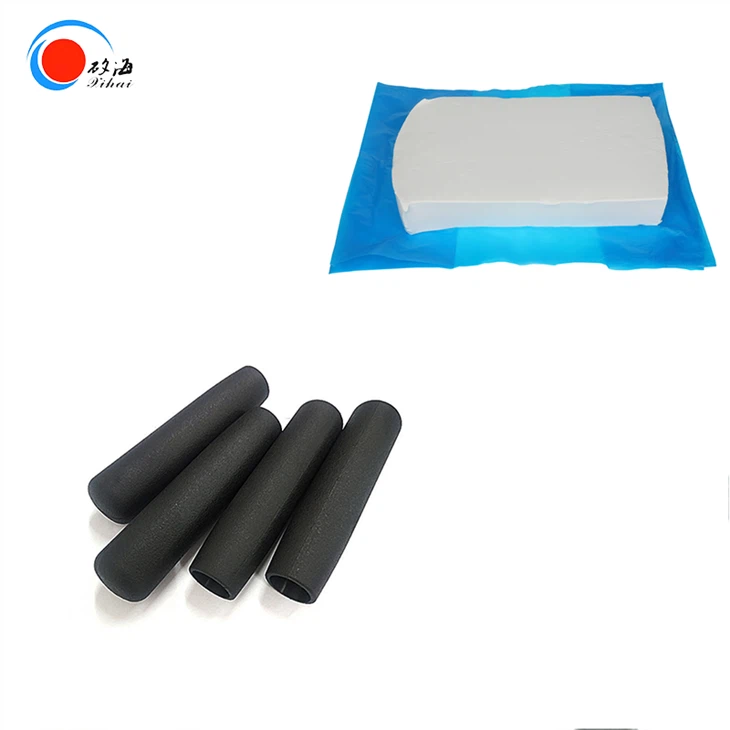
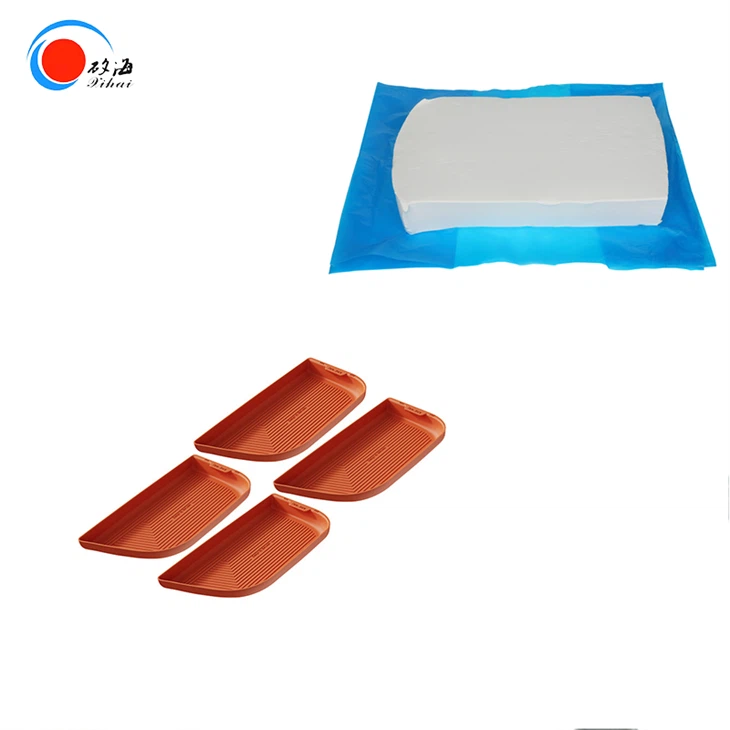
- Outdoor Applications: Silicone sealing rings are ideal for outdoor equipment and structures. For example, in automotive applications, they can be used in car engines, where they are exposed to sunlight. The Auto Parts Silicone Rubber we supply is designed to withstand the harsh UV environment, ensuring long - term sealing performance.
- Long - Term Durability: In applications where the sealing rings need to last for a long time, such as in solar panels or outdoor lighting fixtures, the UV resistance of silicone helps maintain the integrity of the seal. This reduces the need for frequent replacements, saving both time and money.
- Aesthetic Appeal: Since silicone is less likely to discolor under UV exposure compared to other materials, it can maintain its original appearance over time. This is particularly important in applications where the visual aspect is also a consideration.
Limitations of Silicone's UV Resistance
While silicone is generally resistant to UV rays, it is not completely immune. Under extreme conditions, such as prolonged and intense exposure to high - energy UV radiation, some degradation can occur.
- Surface Cracking: In rare cases, after very long - term exposure to harsh UV conditions, surface cracking may develop on the silicone sealing ring. This can compromise the sealing performance, especially in applications where a perfect seal is required.
- Change in Mechanical Properties: Over time, the mechanical properties of the silicone, such as its hardness and elasticity, may experience slight changes due to UV exposure. However, these changes are usually very gradual and may not be significant in most applications.
Real - World Applications
Silicone sealing rings with UV resistance find applications in a wide range of industries:
- Automotive Industry: As mentioned earlier, they are used in various automotive components. From engine gaskets to window seals, the UV - resistant silicone ensures that the seals remain effective even under the sun's rays.
- Electrical Industry: In outdoor electrical enclosures, silicone sealing rings prevent moisture and dust from entering. The Silicone Rubber Wire often uses silicone insulation that is UV - resistant, protecting the wires from environmental damage.
- Babycare Products: Although babycare products may not be directly exposed to extreme UV conditions, the UV resistance of silicone is an added advantage. The Babycare Silicone Rubber we provide ensures the long - term quality and safety of products like baby bottle nipples and pacifiers.
Testing and Quality Assurance
At our company, we conduct rigorous testing to ensure the UV resistance of our silicone sealing rings. We expose the samples to simulated UV environments using specialized equipment. This allows us to measure the changes in properties such as color, hardness, and tensile strength over time. Based on the test results, we can optimize our manufacturing processes to produce sealing rings with the best possible UV resistance.
Conclusion
In conclusion, silicone sealing rings are generally highly resistant to UV rays due to their strong chemical structure. They offer many advantages in outdoor and long - term applications, providing durability and maintaining their performance over time. While there are some limitations under extreme conditions, proper selection and quality control can ensure that the sealing rings meet the requirements of various industries.
If you are in need of high - quality silicone sealing rings with excellent UV resistance, we are here to help. Our team of experts can provide you with the right products and solutions tailored to your specific needs. Feel free to contact us to start a procurement discussion and find out how our silicone sealing rings can benefit your business.
References
- "Silicone Elastomers: Chemistry and Technology" by W. Noll
- ASTM standards related to UV resistance testing of elastomers.
- Industry research reports on the properties and applications of silicone rubber.